
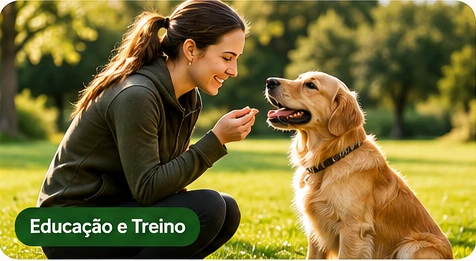
A practical reward-based guide to teaching useful skills and building trust with your dog.
What positive dog training means
Positive dog training teaches useful behaviours by rewarding actions a dog finds worthwhile. Rewards may include a small food treat, a favourite toy, play, attention or access to an enjoyable activity. The goal is not constant obedience; it is clear communication that helps the dog learn in a predictable, safe environment.
The American Veterinary Society of Animal Behavior recommends reward-based methods and advises against aversive training techniques. A compassionate approach considers the dog’s emotional state as well as the behaviour we want to teach.
Set up a calm training environment
Start in a quiet room with few distractions. Prepare small, suitable rewards and decide on one word or hand signal for the skill. Focus on one task at a time so the dog can understand which action earns the reward. Short, regular sessions are often easier to manage than lengthy drills.
Finish while your dog remains engaged. If they appear tired, distressed, unwell or overwhelmed, stop and try another time. Good training also includes rest and opportunities for normal dog behaviour.
Three useful skills to teach
1. Responding to their name
Say your dog’s name once in a natural tone. The moment they look towards you, mark that response with a brief “yes” and reward them. Practise in different quiet locations before adding distractions. Avoid using their name only when something has gone wrong.
2. Sitting on cue
Hold a reward near the dog’s nose and slowly move it upwards and slightly backwards. Reward the sitting position; do not push your dog into it. Once the movement is familiar, add a short cue such as “sit” and gradually fade the hand guidance.
3. Coming when called
Begin at a short distance indoors. Use a consistent recall cue and warmly reward your dog for approaching. Increase distance gradually. Outside, practise with a suitable long line in a safe place and follow local leash rules.
Reward timing and consistency
Dogs learn more clearly when the reward follows the relevant action promptly. A short marker word can identify the exact moment the dog makes the desired choice. As a behaviour becomes reliable, vary rewards, including play or permission to explore, without suddenly removing everything the dog values.
Everyone in the household should use consistent cues. Ask for skills in easier settings first, then raise the difficulty slowly and only when the dog is ready.
Common mistakes to avoid
- Repeating a cue: reduce distractions and help the dog succeed instead of saying the command again and again.
- Starting in busy places: build a foundation at home before practising outdoors.
- Punishing fear: create distance from the stressful situation rather than forcing exposure.
- Expecting identical progress: health, age, previous experiences and individual temperament matter.
- Confusing rewards with bribery: a visible food lure can help initially, then be faded as the behaviour becomes understood.
A practical seven-day starter plan
On days one and two, practise name recognition and identify motivating rewards. On days three and four, introduce sitting and brief, achievable pauses. On day five, practise recall inside. On day six, try familiar skills in a slightly different room or quiet outdoor setting. On day seven, review which tasks are solid and simplify those that need more work.
Track whether the dog understands the request, can respond with less guidance and remains relaxed. For severe fear, aggression, sustained reactivity or safety concerns, seek support from a veterinarian and a suitably qualified, reward-based behaviour professional.
Frequently asked questions
Can adult dogs learn new behaviours?
Yes. Dogs can learn at different ages, with activities adapted to their health and previous experience.
Do rewards always have to be food?
No. Play, toys, social interaction and access to enjoyable activities may be valuable rewards for an individual dog.
When will training work?
Progress depends on the behaviour, setting and regular practice. Focus on observable improvements rather than fixed promises.
References and further reading
Editorial note: General educational information, not a substitute for veterinary advice or individual behaviour assessment.