
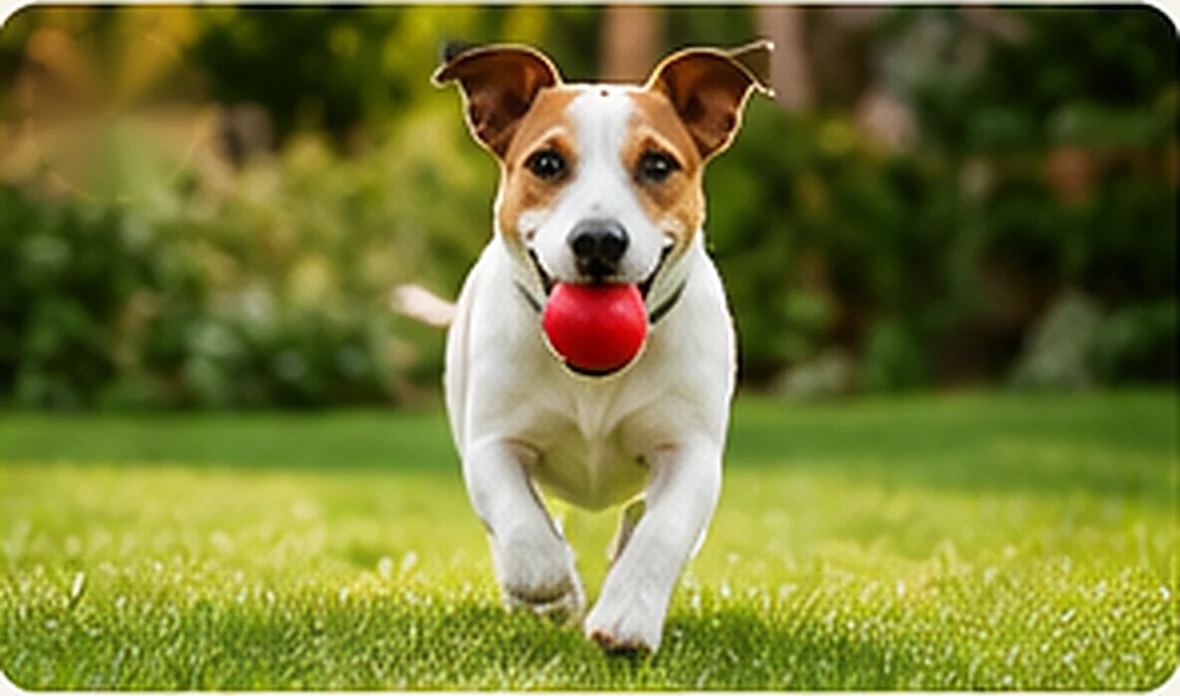
A dog’s wellbeing depends on five connected pillars: appropriate food, exercise, mental enrichment, restful sleep and preventive care. Here is how to adapt them to your dog’s age, health and personality.
Predictable routines
A balanced routine includes fresh water, suitable food, rest, appropriate exercise and opportunities for social interaction. Needs vary with age, health and temperament.
Predictable routines help dogs anticipate important parts of the day, but they need not follow a rigid minute-by-minute schedule. Feeding, toilet breaks, rest and interaction should fit the dog's age, health and temperament. Puppies, adults and older dogs can have very different needs, so watch the individual before copying another household's timetable.
Keep fresh water available and provide appropriate food in quantities suited to the animal. Avoid unnecessary frequent diet changes and monitor body condition. Suitable walks offer movement, environmental contact and opportunities to sniff; they are not simply about covering a fixed distance.
Balance activity with rest. Play, reward-based learning and short searching games may enrich daily life without keeping the dog constantly stimulated. A quiet resting area supports recovery. Reduce an activity if it causes discomfort or exhaustion and seek advice when necessary.
Notice small changes
Persistent changes in appetite, energy, movement or behaviour deserve attention. Keep simple notes about the duration and circumstances to support a veterinary consultation.
Everyday observation helps you understand what is normal for your dog. Notice appetite, drinking, toileting, mobility, sleep and interest in social contact. One change may not explain much, but persistent or sudden changes, especially with pain, deserve veterinary attention.
When something seems different, write down when it started, any changes in feeding or exercise and other signs you have noticed. This information may be useful during a consultation. Avoid starting medicines or supplements on the basis of online symptom lists without veterinary guidance.
Behaviour communicates needs too. A dog that withdraws, becomes restless or reacts differently may be under stress, in pain or responding to changes in its surroundings. Not every behaviour change is a training problem. Consider the context and seek qualified help when a pattern persists.
Prevention with professional support
Follow the preventive care programme recommended by your veterinarian, including vaccinations, parasite control and appropriate assessments. Online guidance is not a substitute for individual care.
Work with your vet on an appropriate prevention plan, including vaccination, parasite control, oral health and periodic checks. The plan can vary with age, medical history and exposure risks. There is no single clinical schedule that fits every dog.
Grooming includes coat care, nails and a clean resting environment, but should suit skin sensitivity and coat type. Human products are not automatically appropriate for animals. Seek veterinary advice for intense itching, wounds, ear changes or difficulty chewing.
Review the routine over time. Moving home, work schedules, extreme temperatures, ageing or recovery from illness can require new arrangements. The aim is not a perfect checklist; it is consistent care, careful observation and a daily rhythm that matches the actual dog's needs.
Food and hydration: consistency without rigidity
A reliable feeding routine starts with a complete diet suitable for the dog’s life stage and individual needs. Portions should reflect body condition and veterinary advice, rather than relying solely on a number printed on the packet. Keep fresh water available and check that the bowl is clean and easy to reach, particularly for older dogs.
Training treats are part of the daily food allowance. Using a small portion of the regular ration as rewards can help avoid unnecessary extra calories. Introduce food changes gradually and watch for digestive changes. Persistent appetite loss, vomiting or diarrhoea deserves veterinary advice.
Walks that respect the body and the sense of smell
There is no ideal walk duration for every dog. Age, fitness, temperature, breed and medical conditions all matter. An energetic adult may need several opportunities to move, while a growing puppy or an older dog with joint discomfort may need shorter, gentler routes and regular pauses.
A valuable walk is more than covering distance. Allow time for safe sniffing, looking around and choosing a different route now and then. Smell is a major way dogs explore their world and can make even a short walk rewarding. During hot weather, choose cooler hours, check pavement temperature and carry water when appropriate.
Mental enrichment and learning without pressure
Food-search games, suitable treat-dispensing toys, short reward-based lessons and scent exploration offer variety without expensive equipment. Begin with tasks the dog can succeed at and increase difficulty only while they remain interested. Finishing before frustration develops is usually better than pushing through a long session.
Reward-based training can teach useful everyday skills, such as coming when called, waiting calmly or approaching voluntarily. If a dog becomes tense, withdraws or refuses rewards, make the exercise easier. Enrichment should offer choice and enjoyment, not fill every available minute.
Rest, predictable rhythms and family relationships
A healthy day needs genuine downtime. Provide a comfortable, clean resting place away from draughts and busy walkways, where the dog will not be disturbed. Some regularity around meals, walks and sleep can be reassuring, but leave room for illness, schedule changes and individual preferences.
Human company matters, but attention does not mean constant touching. Some dogs enjoy being near people without being stroked; others choose to withdraw. Learn the individual’s preferences, avoid waking them just to play, and teach children to give a resting or retreating dog space.
An adaptable example of a daily routine
In the morning, allow an appropriate toilet break, refresh water and provide breakfast if that is the feeding schedule. During the day, alternate rest with companionship and short activities. An afternoon or evening walk can be followed by a brief training game or some scent exploration; make the end of the day calm.
This is an example rather than a fixed timetable. Puppies may need more frequent breaks and close supervision. Older dogs may need mobility support, extra rest and veterinary review. Reassess routines when appetite, sleep, movement or behaviour changes. Consistency matters more than a perfect schedule.
A note on individual care
This guide helps organise everyday decisions. Needs vary with each dog’s age, health and behaviour.
Transparency: editorial information. It does not replace veterinary assessment or individual behavioural advice.
Further reading: RSPCA — A good home for dogs · RSPCA — Creating a safe space
Read also: seven signs your dog needs a vet and dog first aid.