
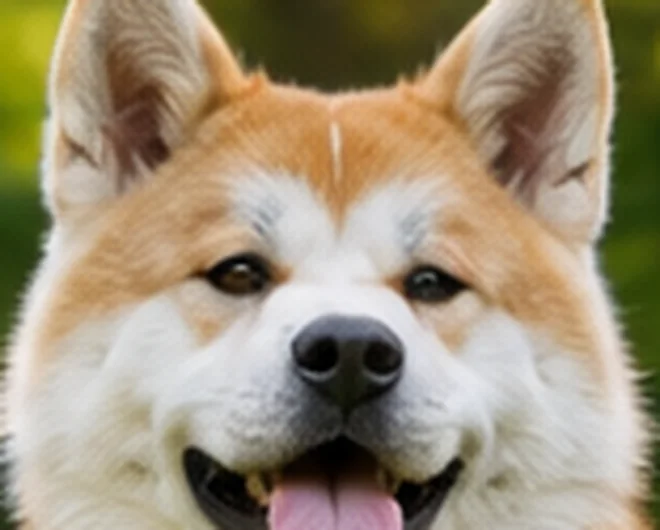
- Origin
- Japan
- Size
- Large
- Daily needs
- Thoughtful socialisation and safe management
- Coat
- Dense double coat
Independent, watchful large Japanese dog.
Temperament and family life
Akitas may form strong bonds with familiar people while remaining reserved around strangers or other dogs. Training should respect their pace, with rewards and realistic expectations.
Individual variation matters. Observe the dog in a calm setting, ask about its history and avoid assuming every individual has exactly the same character. Early positive experiences, predictable rules and proper rest help build trust.
Exercise and training
Daily walks, enrichment and managed environments support wellbeing. Prevent conflict and respect the dog’s need for space.
Plan exercise according to age, health and fitness rather than fixed daily quotas. Reward the behaviours you want to see and include safe sniffing, rest and gradual exposure to new environments.
Health and grooming
Seasonal shedding needs attention. Discuss joint and certain immune-related health risks with a vet.
Routine veterinary examinations, appropriate nutrition, parasite prevention and body-condition monitoring are essential. Ask for health screening where relevant to the breed; no pedigree replaces individual clinical assessment.
Lifestyle fit
Best suited to handlers who understand independence and safe management without forcing indiscriminate interaction with other dogs.
Before deciding, calculate food, insurance or veterinary reserves, time at home, holiday cover and the availability of safe places to exercise. Meeting a particular dog is more useful than selecting only from a breed description.
Before making a decision
Breed profiles describe general tendencies, not guarantees. Individual temperament, health history and routine should guide responsible adoption or purchase. This article is informative and does not replace veterinary advice.
Sources and further reading
Images are AI-generated illustrations; the content summarises general breed tendencies and does not replace veterinary advice.