
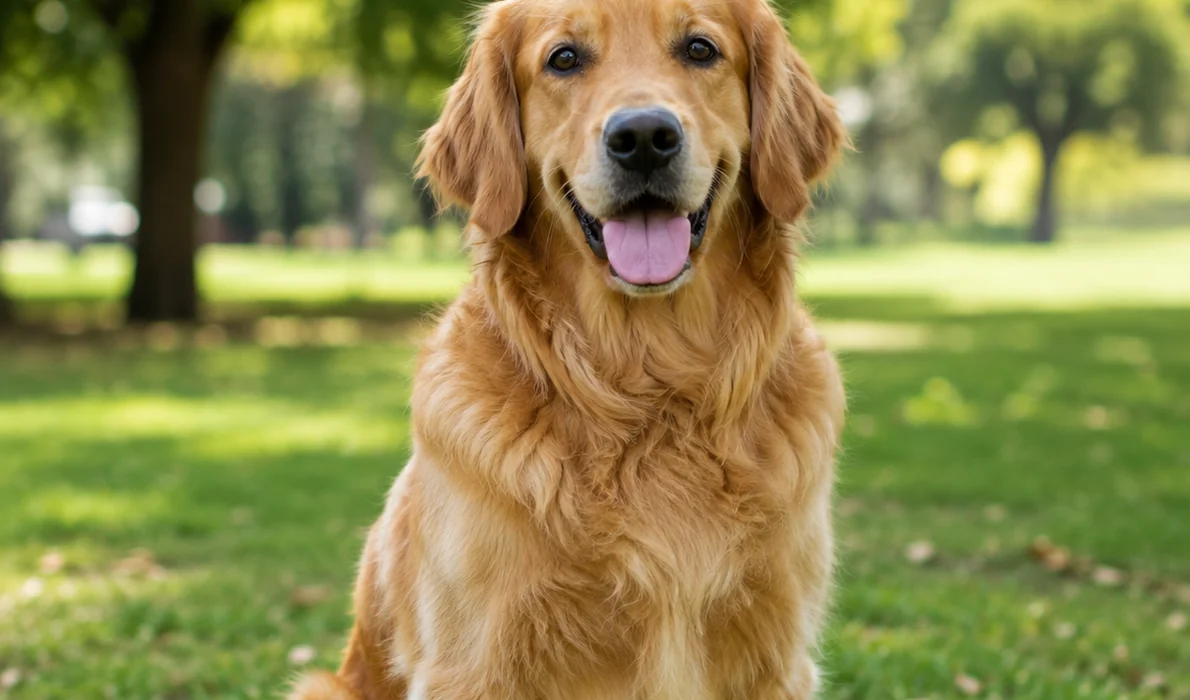
When considering a dog, size often seems like the first decision: small, medium, large or giant? It affects food, travel and practical care, but does not determine personality or exercise needs on its own. Looking beyond appearances makes for a more responsible choice.
What does dog size actually mean?
Size categories are useful shorthand, yet weight thresholds differ between organisations. A Chihuahua and a Labrador Retriever vary in more than height: working background, build and temperament also matter. Many breeds and mixed-breed dogs fall between those examples.
Weight affects equipment, mobility, some medication doses and food consumption. But two dogs with similar dimensions may have very different lifestyles. Evaluate the individual animal rather than relying on a single label.
Are small dogs better suited to apartments?
Small dogs usually need less room for their bed, feeding equipment and accessories, which can make a compact home easier to organise. They still need outdoor experiences, interesting smells, attention and safe rest. Some small dogs are energetic and vocal.
A larger dog whose exercise needs are met can be calm indoors. Apartment living therefore does not automatically rule out larger dogs. Consider neighbours, noise, lifts, stairs, outdoor access and the physical ability to manage the animal.
Exercise is not measured in centimetres
All dogs need appropriate activity. A lively small terrier can be more demanding than a larger dog with moderate energy. Breed history offers clues: hunting and working dogs may benefit from scent work, training and mentally engaging activities.
Adapt exercise to age, health, fitness and weather conditions. Growing puppies and senior dogs often need tailored routines. Watch for comfort, recovery and willingness to participate rather than applying an arbitrary number of minutes. Your vet can advise when health conditions are involved.
Food requirements and healthy weight
Larger dogs generally eat greater quantities in absolute terms, although metabolism, age and activity influence their needs. Over several years, this can affect household budgets. Choose complete food suitable for the dog’s life stage and body condition, not simply the lowest price per bag.
Some large-breed puppies may require carefully formulated growth diets. In dogs of any size, oversized portions and too many treats can contribute to obesity. Excess weight can reduce mobility and harm health; regular body-condition assessment is more useful than weight comparisons alone.
How much can veterinary costs differ?
Some medications are dosed according to body weight, while certain procedures require different quantities of materials. These factors can increase costs for larger dogs. However, chronic illness, surgery or breed-associated conditions may have a greater financial impact than size.
A small dog needing intensive treatment may cost more than a healthy large dog. Preventive care, routine veterinary advice and an emergency fund matter in both cases. Avoid assuming that a particular size always means lower expenditure.
Travel, handling and physical assistance
Size becomes particularly relevant during travel. Smaller dogs may fit suitable carriers, while large dogs require secure arrangements that match the vehicle and their dimensions. Whatever the size, transport must be safe and comfortable.
A strong dog may be harder to handle on a lead if it pulls, although training and appropriate equipment help. Consider older age too: lifting a heavy dog after surgery or helping it manage stairs may require assistance or support devices. Household mobility matters.
Coat care and household hygiene
Shedding and grooming are not determined solely by size. A small long-haired dog may need daily brushing; a short-haired large dog may need less grooming time but shed more hair around the home. Some breeds require regular professional clipping.
Comfort with brushing, oral hygiene and paw handling should be taught gently to every dog. Coat type, skin health and anatomy determine specific needs. Bathing frequency should reflect the individual and veterinary advice when necessary.
Does size affect life expectancy?
Smaller dogs tend, on average, to outlive many large and giant breeds, but individual longevity depends on genetics, environment, nutrition, medical history and healthcare. Size alone cannot predict how long a dog will live.
Families should prepare to provide care throughout life. Dogs of every size may experience reduced mobility, sensory changes or chronic illness as they age. Home adaptations and veterinary support can protect comfort and quality of life.
Health risks associated with body shape
Some larger breeds are prone to hip or elbow problems. Certain small dogs may be affected by kneecap instability or dental disease. Long-backed, short-legged conformations may carry particular spinal risks. These patterns are not diagnoses for an individual animal.
Brachycephalic anatomy deserves special consideration: impaired breathing should never be normalised. Excess weight can worsen mobility difficulties at any size. Research veterinary information about the breed and the individual dog’s health history before deciding.
Education and family life
It is misleading to say that small dogs are necessarily harder to train or that large dogs are naturally more obedient. Learning reflects experiences, motivation, personality and surroundings. Every dog benefits from reward-based teaching of recall, lead walking, rest and safe interaction.
Size does affect the physical consequences of some behaviour: a heavy dog jumping up or pulling suddenly can cause a fall. Supervision around children is essential for all breeds and sizes. Respecting canine signals and personal space supports safer relationships.
Which size best fits your household?
Consider daily exercise availability, finances, living space, transport and the physical abilities of household members. Medium-sized dogs suit some families, but they are not a universal compromise. Individual needs and personality should carry more weight than appearance.
Meet dogs at rescue organisations and talk with carers who know their behaviour. Adult animals may offer clearer evidence of everyday habits. Mixed-breed dogs are equally worthy of consideration when the match works for both animal and household.
Size changes, but responsibility remains the same. A dog’s height and weight can be measured; its place in our lives cannot.
Editorial note and sources
Information for general guidance; individual advice should come from a veterinarian and qualified behaviour professional.
References: AVMA, PDSA, RSPCA, and MSD Veterinary Manual.
AVMA · PDSA · RSPCA · MSD Veterinary Manual